
When we think about railway projects, we usually think about tracks, coaches, bridges and other large structures. But many smaller parts are also needed to keep these systems together. Nuts, bolts, studs and washers are some of them.
These fasteners may look like simple components, but they have an important job. They need to hold parts together while dealing with vibration, moisture, changing weather and regular movement. This is where stainless steel fasteners can be a useful choice for railway applications.
Why Are Fasteners Important in Railway Projects?
Railway equipment is constantly subject to movement and vibration. The fastening devices that are used for different types of assemblies should remain tightly fixed and create reliable connections.
The selection of a fastening device is not just a question of finding the right size. It involves the consideration of many other aspects such as materials, threads, sizes and applications. Proper choice of nuts and bolts may prevent maintenance problems.
Technical Specifications
| Specification | Details |
|---|---|
| Material Grades | SS 202, SS 304, SS 316 |
| Products | Bolts, Nuts, Studs, Washers |
| Types | Hex, Flange, Nyloc, Special |
| Applications | Railway Tracks & Rail Coaches |
| Customisation | Available as required |
| Main Benefits | Strength & Corrosion Resistance |
1. Stainless Steel Offers Good Corrosion Resistance
Moisture and humidity may affect metal fasteners in the long run. The problem becomes more significant when the components are to be utilised in outdoor conditions.
Stainless steel is highly resistant to corrosion, and this is one of the most important factors that determines its applicability to railway systems. There are different types of stainless steel; hence, the material can be chosen according to working conditions.
Stainless Steel Bolt Industries Pvt. Ltd. offers railway fasteners in grades such as SS 202, SS 304 and SS 316.
2. Strength Matters Too
A railway fastener needs to do more than resist rust. It must also have enough strength to handle the forces placed on the joint.
The size and design of the bolt and nut should match the application. Bolt diameter, length and thread type can all affect how the connection performs.
This is where an experienced SS Bolt Nut Railway Vendor can be helpful. The supplier can understand the requirement and suggest a suitable fastener instead of simply offering a standard product.
3. Dealing with Vibration and Movement
Vibration is part of normal railway operation. If a fastening connection is not properly selected or installed, repeated movement can eventually cause loosening.
The right nut and bolt combination helps maintain the connection. Depending on the application, flange nuts, Nyloc nuts and other fastening arrangements may be used.
The choice should be based on where the fastener will be installed and what kind of movement or load it will experience.
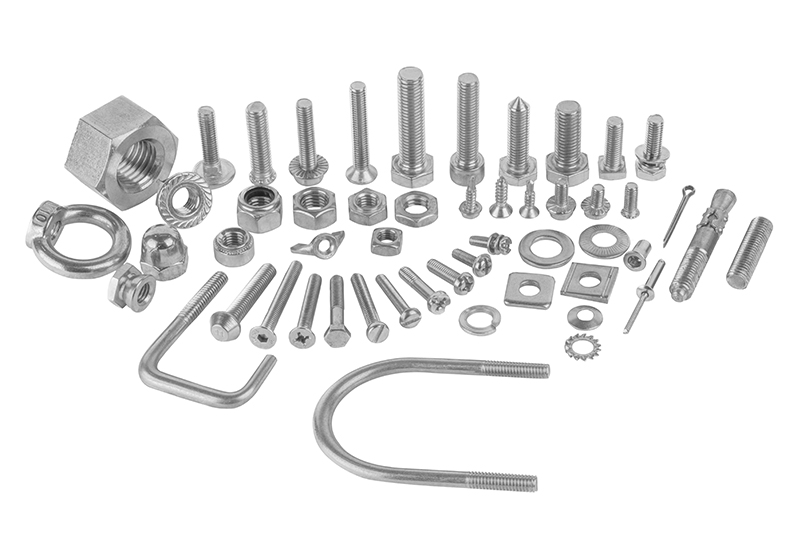
4. Common Fasteners Used for Railway Applications
Different railway assemblies require different types of fasteners. Some commonly used options include:
- Hex bolts and nuts
- Flange bolts and nuts
- Studs
- Washers
- J bolts
- U bolts
- Special fasteners
The exact product depends on the project requirements and installation conditions.
The required size, grade and configuration should be decided according to the actual application.
5. Choosing a Railway Fastener Supplier
Finding the right supplier can make the buying process much easier. A good Nut Bolt Railway Vendor should be able to understand the required grade, size and type of fastener and supply products accordingly.
SS Bolt provides stainless steel fasteners for various industrial uses, including rail industry needs. Their product line includes nuts, bolts, studs, washers and other kinds of fasteners.
If you required, customised fasteners for specific requirements can also be used.
Conclusion
Railway fasteners made of stainless steel are used because they provide an effective combination of strength, corrosion resistance, and durability. However, the selection of a suitable fastener is determined by its use, grade of material, size, and operating conditions. If you are looking for a reliable Bolt Nut Railway Vendor, then you should talk to Stainless Steel Bolt Industries Pvt. Ltd.
Frequently Asked Questions (FAQ)
It provides excellent corrosion resistance and durability.
There are SS 202, SS 304 and SS 316 grades available.
Various fasteners like bolts, nuts, studs and washers are used.
Yes, customised fasteners can be supplied as required.
Check the grade, size, thread, application and required specifications.