
A fastening component may be small, but it often has to work reliably under conditions that are far from straightforward. Moisture, temperature changes, vibration, dust, and exposure to various substances can all affect a fastener slowly. Hence, the importance of choosing the right material when using screws for industrial use.
Stainless steel self-tapping screws are one of the materials that have been considered for challenging environments, as they offer the ease of installation of self-tapping screws and the corrosion resistance and durability of stainless steel. They can also be used to form or cut threads while installing, which can simplify the assembly process, particularly with appropriate materials.
For businesses looking for Self Tapping Screws supplier in Ahmedabad, it is worth looking past availability and price. Grade options, dimensions, standards, manufacturing consistency and customisation can all make a difference to the end fastening solution.
Why Stainless Steel Makes a Difference
The material of a screw is directly related to its performance over time. Normal materials could need more frequent maintenance or replacement in a moist environment or corrosive environment. Stainless steel is a highly corrosion-resistant material, and it has strong chemical stability in many environments. Not all grades of stainless steel are equally resistant, however.
For general industrial requirements, SS 304 is a widely considered option. Where the surrounding conditions involve greater exposure to moisture, salts or aggressive substances, SS 316 may be considered. Other grades, including SS 202, SS 304L and SS 316L, may also be selected depending on the requirements of the project.
1. How Self-Tapping Screws Simplify Fastening
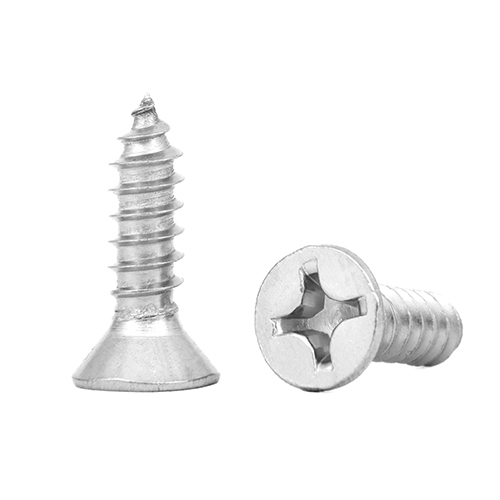
One of the useful features of a self-tapping screw is its ability to create or form its own thread as it enters a suitable material. This can reduce the need for a separately threaded hole and make the installation process more convenient.
These screws can be used with materials such as sheet metal, aluminium, plastics, wood and other suitable substrates. However, the screw needs to be selected according to the material being fastened.
Different head styles are also available for different fastening requirements. Pan head screws can be useful where a raised head is acceptable, while countersunk versions can provide a more flush finish. Phillips and slotted drive options are also available.
2. What Helps a Screw Handle Tough Conditions?
Corrosion resistance is only one part of reliable screw performance. The thread profile, dimensional consistency, surface finish and mechanical properties also have an important role. A properly formed thread helps the screw engage with the material during installation. Consistent dimensions help ensure that the fastener fits correctly, while a suitable surface finish can support smoother installation and handling.
The working environment should also be considered. A screw used inside an electrical enclosure may face very different conditions from one installed outdoors or in an area exposed to moisture and chemicals.
3. Choosing the Right Grade and Design
One stainless steel screw will not fit all applications. Before choosing a screw, consider the material to be attached, the load to be endured, the environmental factors, the screw’s diameter and length, and its head design.
Applicable standards are another important consideration, particularly for industrial and bulk requirements. Stainless Bolt Industries offers self-tapping screws manufactured according to standards such as DIN 7981, DIN 7982, DIN 7971, DIN 7972 and DIN 7504.
The company also provides different stainless steel grades and customised dimensions according to customer requirements, giving buyers more flexibility when standard sizes do not meet their needs.
4. Where Are These Screws Used?
Stainless steel self-tapping screws are widely used across different industries, including:
- Electrical appliances
- Construction
- Automotive assembly
- Furniture manufacturing
- Pharmaceutical machinery
- Food processing machinery
- Beverage machinery
Conclusion
Stainless steel self-tapping screws are a practical choice for fastening requirements where corrosion resistance, durability and convenient installation are important. But reliable performance depends on choosing a suitable grade, size, head style and thread configuration for the material and working conditions. For buyers searching for self-tapping screw manufacturers in India, working with a reliable manufacturer can provide access to a wider range of stainless steel grades, standard options and customised fastening solutions.
Different industrial fastener requirements can be fulfilled by Stainless Bolt Industries Pvt. Ltd. with a range of stainless steel grades, standard designs and customised options. Contact us to discuss your self-tapping screw needs and discover the best solution for your project.
Frequently Asked Questions (FAQ)
These screws provide easy installation in addition to being corrosion-resistant and durable.
Yes, self-tapping screws are applicable to sheet metal and other metals.
Stainless Steels available are SS 202, SS 304, SS 316, SS 304L and SS 316L.
Yes. Pan head, countersunk, Phillips and slotted options are available.
Yes. Custom dimensions can be supplied according to specific requirements and customer drawings.